Loading... Today

-- 0

-- 0
Join Groups & Channels, No Spamming





Triveni Engineering is prioritising cane availability, recovery improvement and plant-level cost efficiency ahead of the 2026-27 sugar season. The company has undertaken capex to lower production costs, while its water business retains a healthy Rs. 1,472-crore order book. Management also expects continued growth from ethanol, water projects and operational efficiencies.
The Print Times
Triveni Engineering & Industries Limited is focusing on improving cane availability, sugar recovery and controllable operating efficiencies as it prepares for the 2026-27 sugar season, while continuing to pursue opportunities across its ethanol and water businesses.
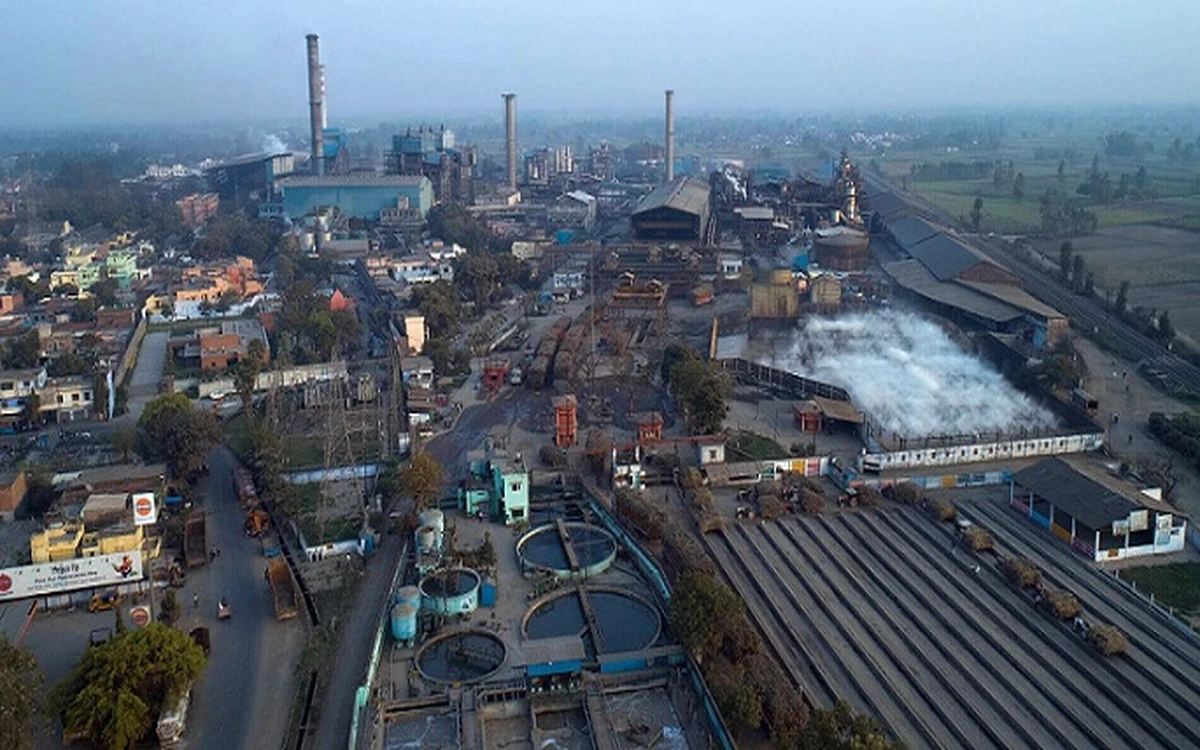
Triveni is one of India's largest sugar manufacturers with 8 sugar plants of which seven are FSSC 22000 certified sugar plants in U.P., India. These sugar mills are located strategically in the sugarcane-rich belt of Uttar Pradesh. Our integrated operations are designed to produce refined sugar, multi-grade white crystal sugar, pharmaceutical grade sugar, potable alcohol, fuel-ethanol, and power from bagasse. Triveni is also a market leader in engineering businesses, spanning power transmission, water & wastewater treatment solutions, and defence.
Management said cane development and varietal replacement programmes have delivered positive results, with the crop condition across the company’s eight sugar factories currently looking favourable. Five factories have received adequate and well-distributed rainfall, while the crop at Rani Nangal and Sabitgarh remains in good condition despite marginally lower rainfall. Ramkola in eastern Uttar Pradesh has received somewhat higher rainfall, but crop health remains excellent due to interspersed rains.
However, the company said the next six to ten weeks will be critical for crop development ahead of the new sugar season. The timing of the start of the sugar season and crop performance during the remaining growth period will be important factors in determining future production and recovery.
Triveni said its cane development initiatives include selective varietal replacement, pest and disease management, farmer engagement through digital and physical platforms and expert agricultural support.
The company is also investing in capital expenditure aimed at improving cost efficiency at its sugar plants and lowering the cost of production for the upcoming season. Management said operational excellence at both the field and factory levels will remain a key priority.
Sugar demand-supply balance remains favourable
Triveni expects the sugar market to remain supportive, with lower carry-forward inventories and a tighter demand-supply balance providing support to prices. The company said the government’s continued restriction on sugar exports also underscores the importance of maintaining adequate domestic availability.
The company expects feedstock allocation towards ethanol blending to remain an additional lever for maintaining a healthy balance between sugar availability and pricing for the industry, farmers and consumers.
The management also highlighted that national sugarcane acreage has remained reasonably resilient, although rainfall distribution in Maharashtra and Karnataka remains a concern. It said it is too early to determine the overall impact on the national sugar balance for the 2026-27 season.
Ethanol strategy centred on feedstock economics
Triveni’s medium-term ethanol outlook remains encouraging following India’s achievement of 20% ethanol blending during ESY 2025-26. The company expects grain-based ethanol to gain further share, with its multi-feed distillery configuration allowing it to adjust to changing feedstock economics.
Management said product mix and feedstock economics remain key areas of focus and that the company expects its strategy to generate further benefits during ESY 2026-27.
The alcohol and distillery business continued its turnaround, with profitability improving despite lower production and sales volumes. Production stood at 57,488 kilolitres, down 12% YoY, while sales volume declined approximately 19% to 50,483 kilolitres due to lower sales orders.
Revenue declined 13% to Rs. 373 crore, but PBIT increased 32% to Rs. 31 crore. Lower maize procurement costs, improved DDGS realisations and better feedstock economics under the company’s ongoing cost optimisation programme supported the improvement.
Grain-based ethanol accounted for 61% of alcohol sales, compared with 58% in the corresponding previous quarter, reflecting the continuing shift towards grain-based feedstocks.
Water business faces execution delays but order book remains strong
The water business reported a 21% YoY decline in revenue to Rs. 43 crore during Q1 FY27, primarily due to slower execution of the Prayagraj and Vadodara EPC projects. PBIT declined to Rs. 2 crore.
However, the business continued to maintain a strong order pipeline. Orders received during the quarter stood at Rs. 9 crore, while the closing order book remained at Rs. 1,472 crore, including Rs. 1,065 crore of longer-duration O&M contracts.
The company said bids submitted during the quarter exceeded Rs. 300 crore and that it expects to emerge as L1 in some of these projects. Management remains confident about the business regaining its position as a significant player in the water sector.
Power Transmission demerger progresses towards listing
Following NCLT approval, the composite scheme of arrangement became effective from May 19, 2026, with the power transmission business demerged and vested in Triveni Power Transmission Limited (TPTL) with effect from April 1, 2026.
Triveni Engineering has accounted for Rs. 4.35 crore as its share of profit from TPTL in its consolidated accounts. The record date for share allotment was July 22, 2026, and the allotment was completed subsequently.
The company said it expects to submit the listing application along with the information memorandum and other required documents. Based on the standard timeline, the listing is expected to be completed in approximately four to six weeks, subject to regulatory approvals.
Overall, Triveni said Q1 FY27 marked a positive start in its new form, with improved profitability, reduced debt and lower cost of funds. The company remains focused on operating efficiencies, disciplined capital allocation, cane availability, recovery improvement, ethanol feedstock economics and the execution of its water business pipeline.

6 days ago
Total Views : 12
6 days ago
Total Views : 21
6 days ago
Total Views : 18
.webp)
6 days ago
Total Views : 10
.webp)
 Join WhatsApp Group
 Join Telegram Channel
 Join YouTube Channel