Loading... Today

-- 0

-- 0
Join Groups & Channels, No Spamming





The Print Times
Global sugar industry overview
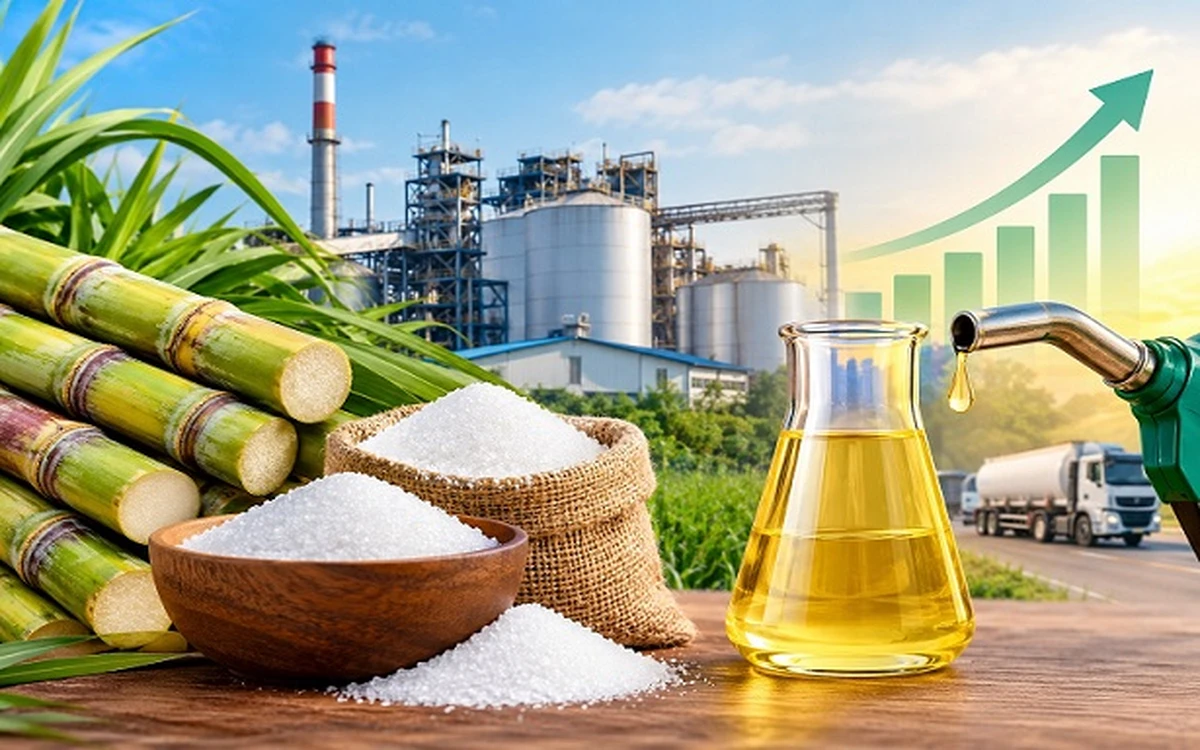
The global sugar industry is a large agro-based sector led by major producers such as Brazil, India, and Thailand, and is influenced by weather patterns, policy frameworks, and global trade dynamics. Its scope remains strong, driven by steady demand, growth in emerging markets, and increasing integration with ethanol production, alongside a rising focus on sustainability and efficiency.
In 2024, global sugar production stood at 194.9 Million Tonnes, with forecasts projecting an increase to 223.1 Million Tonnes by 2033. The global bio-based chemicals market- sugar-derived intermediates critical for bioplastics and specialty chemicals is expected to surge from US$ 120.16 Billion in 2026 to US$ 249.36 Billion by 2034 (9.6% CAGR), driven by sustainability mandates and fossil-fuel substitution. Sugar-based exfoliants and moisturisers are gaining traction, with the body scrub market expected to grow from US$ 7.66 Billion in 2025 to US$ 12.07 Billion by 2033 (5.9% CAGR), fueled by clean-beauty trends and do it yourself (DIY) skincare movements.
Rising urbanisation, evolving consumer preferences for convenient foods, and the rapid expansion of the food service sector are collectively driving increased sugar consumption, particularly through the growing demand for indulgent and packaged products. At the same time, the chemical segment of the sugar industry is gaining momentum, supported by the rising demand for bio-based products, diversion of surplus sugar towards ethanol, favourable government policies, and the emergence of sustainable alternatives such as bioplastics and specialty chemicals. Additionally, the use of sugar in cosmetics for its natural exfoliating and moisturising properties is contributing to incremental demand.
Performance of major sugar growing countries
Latin America continued to anchor global sugar supply in FY 2025-26, with production exceeding 60 Million Tonnes and a significant share directed towards exports. The region’s scale, cost competitiveness, and ability to flexibly divert cane between sugar and ethanol enabled it to remain the primary balancing supplier to deficit markets across Europe, Africa, and parts of Asia. This high export availability also transmitted price pressure into international markets during periods of surplus supply.
Asia Pacific accounted for more than 40% of global sugar production and consumption, with improved output during the year reducing import demand and increasing export availability in selected markets. However, the region remained highly sensitive to policy interventions relating to exports, domestic market controls, and feedstock allocation, making it a key driver of global market volatility. Europe, meanwhile, continued to face structural supply constraints arising from lower beet acreage, rising costs, and regulatory pressures, reinforcing its position as a net import market and absorber of global sugar surpluses.
Africa and North America played contrasting roles in the global balance. Africa remained a demand-driven import market supported by population growth and urbanisation, though supply conditions continued to be influenced by currency movements, freight costs, and political stability. North America, by contrast, operated within a tightly regulated trade framework, limiting the direct impact of global price fluctuations and positioning the region as a relatively stable and predictable consumption market.
Indian sugar industry overview
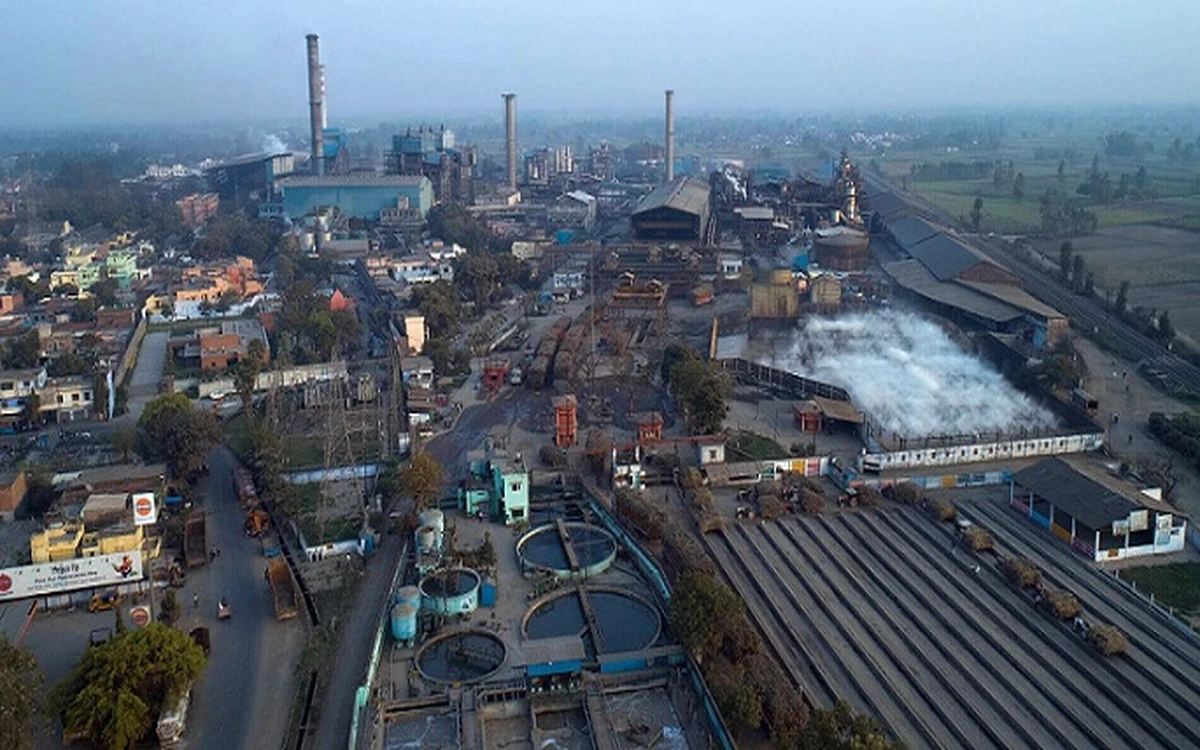
India continued to be the world’s largest consumer of sugar, making the sugar industry one of the country’s most significant agro-based sectors during FY 2025-26. Beyond its contribution to GDP, the industry played a critical role in supporting millions of farmers and sustaining rural livelihoods. Key byproducts such as molasses, bagasse, and ethanol further strengthened the sector’s integrated value chain.
During the 2025-26 season, total sugar availability was estimated at 34.3 Million Tonnes, significantly exceeding domestic consumption of approximately 28.3 Million Tonnes. Exports were estimated at around 0.7 Million Tonnes, while closing stocks remained stable at nearly 5.3 Million Tonnes, ensuring adequate domestic buffer levels. Export activity continued to remain regulated through government quotas, with total permitted exports for the 2026 marketing year standing at 2 Million Tonnes, including incremental approvals during the year.
Regionally, production trends reflected both climatic and structural shifts. In Uttar Pradesh, yield pressures arising from varietal replacement were partly offset by improved recovery rates. Maharashtra and Karnataka witnessed lower output due to excessive rainfall, early flowering of sugarcane, and compressed crushing cycles. However, improved planting trends in these States toward the end of the year indicated the possibility of recovery in the upcoming season, supporting healthy opening stock levels.
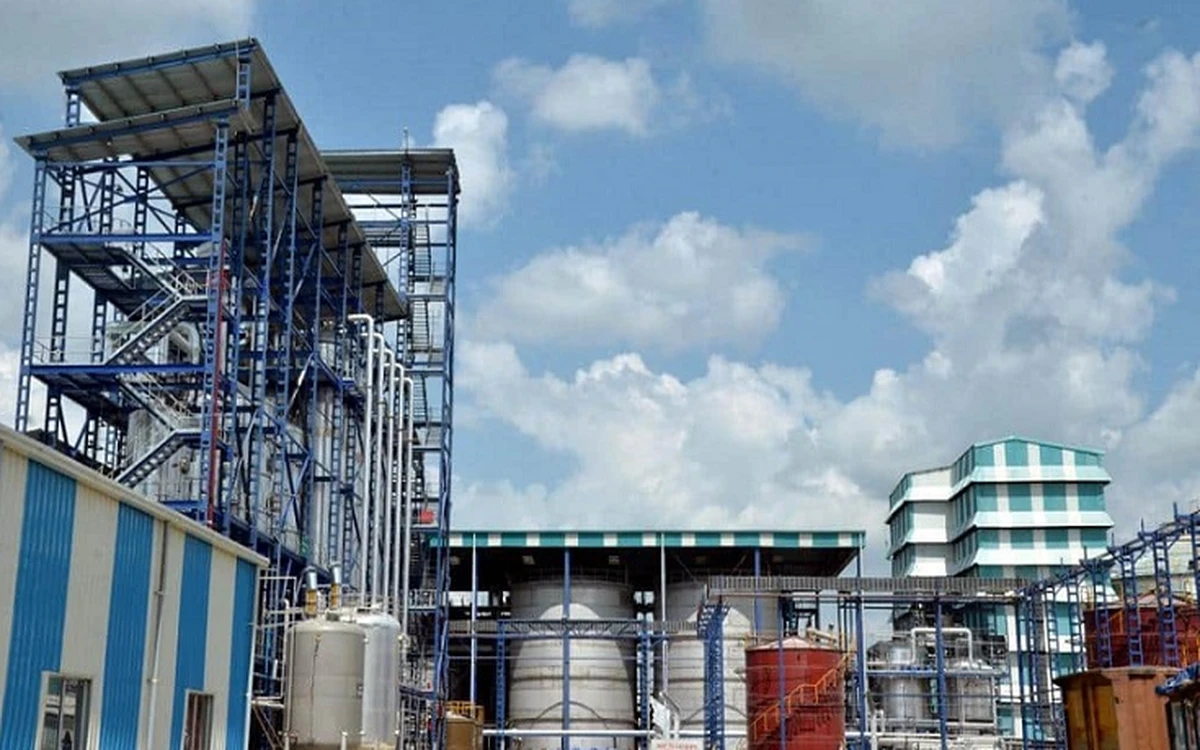
A defining structural shift during the year was the accelerated pivot toward ethanol production. Supported by strong policy measures from the Government of India, ethanol blending with petrol continued to gain momentum, positioning the sugar industry at the centre of the country’s renewable energy transition. Ethanol production was expected to increase to nearly 4 Million Tonnes in the 2026 season, compared with 3.5 Million Tonnes in 2025, supported by the government’s target of achieving 20% ethanol blending.
This transition reshaped the industry’s economics by creating an alternative revenue stream, improving cash flow visibility for sugar mills, and reducing dependence on sugar price cycles. It also contributed to environmental sustainability by supporting lower greenhouse gas emissions and reducing reliance on fossil fuels.
From a financial perspective, the sector witnessed gradual recovery during the year. Operating margins of sugar mills improved to an estimated 9-9.5% in FY 2025-26, supported by better realisations, diversified revenue streams, and improved balance sheet resilience following earlier cyclical pressures. Overall, the Indian sugar industry continued evolving from a traditional agro-based sector into a more diversified and resilient ecosystem balancing food, fuel, and sustainability objectives.
6 days ago
Total Views : 12
6 days ago
Total Views : 21
6 days ago
Total Views : 18
.webp)
6 days ago
Total Views : 10
.webp)
 Join WhatsApp Group
 Join Telegram Channel
 Join YouTube Channel