Loading... Today

-- 0

-- 0
Join Groups & Channels, No Spamming





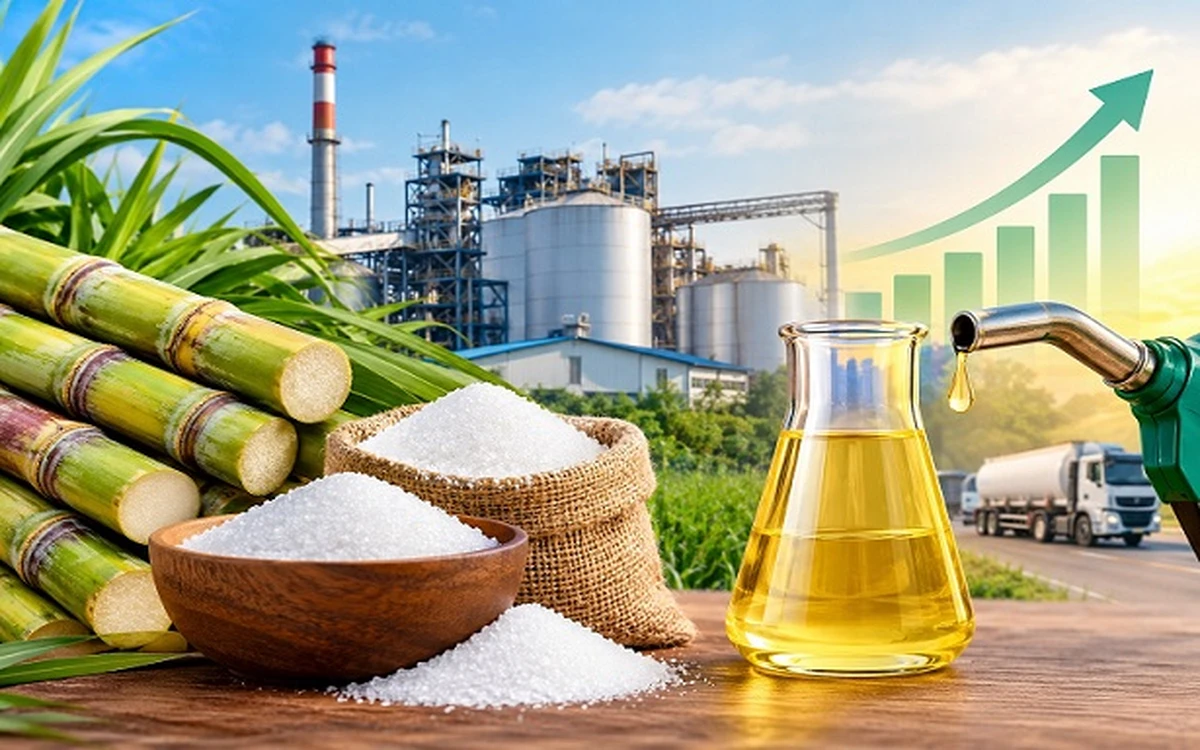
Balrampur Chini Mills expects domestic sugar prices to remain firm, supported by low closing inventories and a balanced demand-supply situation. The company crushed 1,043 lakh quintals of cane in SY 2025-26, up 5.2%, despite a Rs. 30 per quintal increase in cane prices. It is also progressing with its PLA project, with revised capex of Rs. 3,080 crore, while ethanol margins remain under pressure due to unchanged ethanol prices under the juice and B-heavy routes.
The Print Times
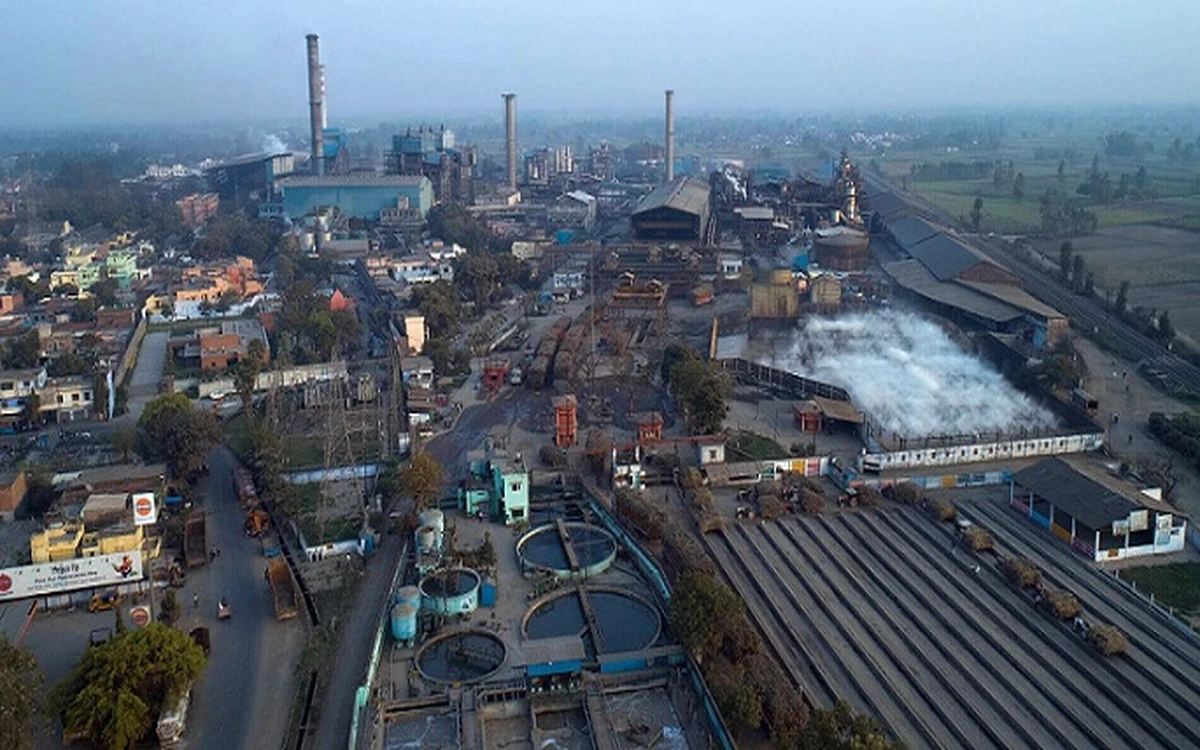
Kolkata, May 18, 2026: Balrampur Chini Mills Limited concluded FY2026 on a stable note, with the sugar business delivering resilient performance despite higher sugarcane costs, while the company continued to advance its integrated value-chain strategy, including its PLA project.
Balrampur Chini Mills Limited founded in 1975, is one of the largest sugar manufacturing company in India. It is one of the first sugar companies in the country to diversify its business from sugar to distillery and cogeneration. With a deep and profound sectorial understanding, the Company’s innovative approach to manufacturing has enabled it to successfully create a wide range of co-products ranging from Molasses, Alcohol, Ethanol and Bagasse to Power Generation.
Speaking during the Q4 & FY26 earnings conference call, Vivek Saraogi, Chairman and Managing Director, Balrampur Chini Mills, said the sugar industry entered a tighter inventory situation during sugar season 2025-26. Gross sugar production is projected at around 31 million tonnes, with about 3 million tonnes diverted, resulting in net production of approximately 28 million tonnes.
The government had announced sugar exports in November 2025 based on prevailing production estimates. However, production in key states including Maharashtra, Uttar Pradesh and Karnataka was affected by lower-than-anticipated yields and weather-related abnormalities. As production estimates moderated, the government subsequently prohibited further exports. Around 0.7 million tonnes of sugar has already been exported.
According to Saraogi, the inventory position remains broadly balanced. With opening inventory of around 5 million tonnes, domestic consumption expected to match net production at around 28 million tonnes, and exports of approximately 0.7 million tonnes, closing inventory is estimated at around 4.3 million tonnes.
“This is probably the lowest stock level which I remember seeing in my recent living memory,” Saraogi said, while adding that there was no cause for alarm. He noted that the lower inventory position keeps the demand-supply equation favourable for sugar prices.
Domestic sugar prices have remained supportive, with prices in Uttar Pradesh broadly in the range of Rs. 41-42 per kg. The company expects prices to remain steady and gradually move higher, supported by the low closing inventory levels.
On ethanol, Saraogi said the blending programme continues to remain a key priority. However, he highlighted the absence of a revision in ethanol prices under the juice and B-heavy routes for the last three years, despite higher sugarcane costs and operating expenses.
For Balrampur Chini Mills, the higher cane cost was partly offset by improved operational efficiency, higher cane crushing, increased sugar sales volumes and stable realizations. The company crushed 1,043 lakh quintals of cane during the season, up 5.2%, while gross recovery remained broadly stable at 11.24%, compared with 11.28% in the previous year.
Saraogi pointed out that Uttar Pradesh crushed around 7% lower cane than last year, whereas Balrampur Chini Mills achieved 5.2% growth in cane crushing.
The company's distillery business also delivered stable performance on the back of higher volumes, although margins remained under pressure due to the lack of revision in ethanol prices.
PLA project advances; capex revised to Rs. 3,080 crore
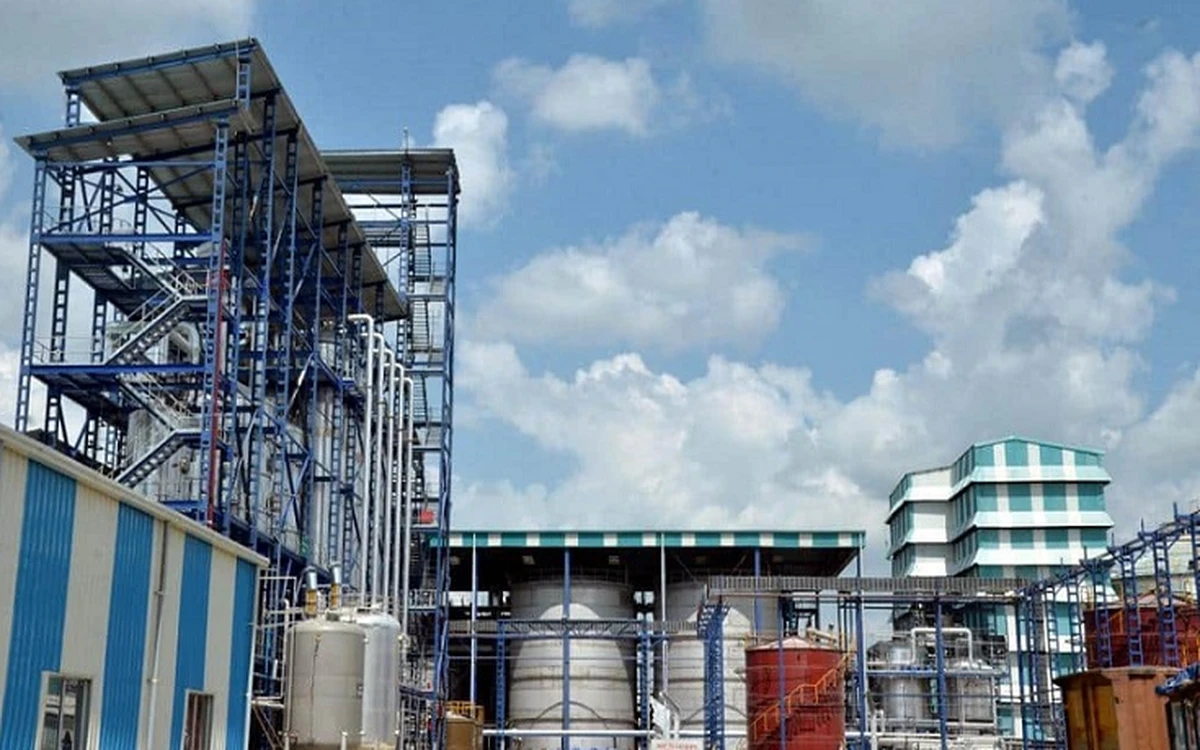
Balrampur Chini Mills is also strengthening its integrated value chain through its PLA project. Following the fundraise, the company has revised the project capex to Rs. 3,080 crore.
The Board has also approved a lacto-gypsum processing plant at Kumbhi, which will manufacture gypsum board using eco-friendly byproduct gypsum generated from the PLA process.
The company has approved raising Rs. 450 crore through the issue of preferential shares to fund capex and for general corporate purposes. According to Saraogi, there will be no dilution, with promoters participating to the extent of Rs. 193 crore, proportionate to their existing holding.
On the PLA project timeline, the company indicated that the current expansion is expected to be commissioned in October, while any future expansion could potentially be completed within around 15 months. The company expects to commission the next phase in the third quarter of the current year.
PLA demand outlook improves amid higher fossil-based plastic prices
Saraogi said the rise in crude prices has pushed up PLA prices, creating a favourable environment for the company's project. He added that fossil-based plastic prices have increased substantially, which is supportive for PLA economics.
The company is also progressing discussions with customers, while mandates and agreements are moving forward. Saraogi said the company is working on customer agreements, testing and government mandates, but declined to disclose individual agreements until they are finalized.
For applications such as gutka packaging, the company said it has successfully developed the required barrier properties and that food-safety contact requirements have been cleared.
The company's approach to driving adoption of non-plastic packaging is focused on three fronts: the Central Government mandate, the Uttar Pradesh Government mandate and direct engagement with customers. Saraogi noted that the Uttar Pradesh Government has already formed a committee and is taking steps towards a non-plastic mandate.
He said the progress on mandates, customer agreements and testing has been encouraging and that several developments are nearing finalization.
Concluding the call, Saraogi said Balrampur Chini Mills' integrated business model has helped the company navigate industry cycles and evolving policy dynamics. Going forward, the company remains focused on maximizing value extraction, improving operational efficiency, making prudent investments and creating long-term value for stakeholders.
6 days ago
Total Views : 12
6 days ago
Total Views : 21
6 days ago
Total Views : 18
.webp)
6 days ago
Total Views : 10
.webp)
 Join WhatsApp Group
 Join Telegram Channel
 Join YouTube Channel