Loading... Today

-- 0

-- 0
Join Groups & Channels, No Spamming





The Print Times
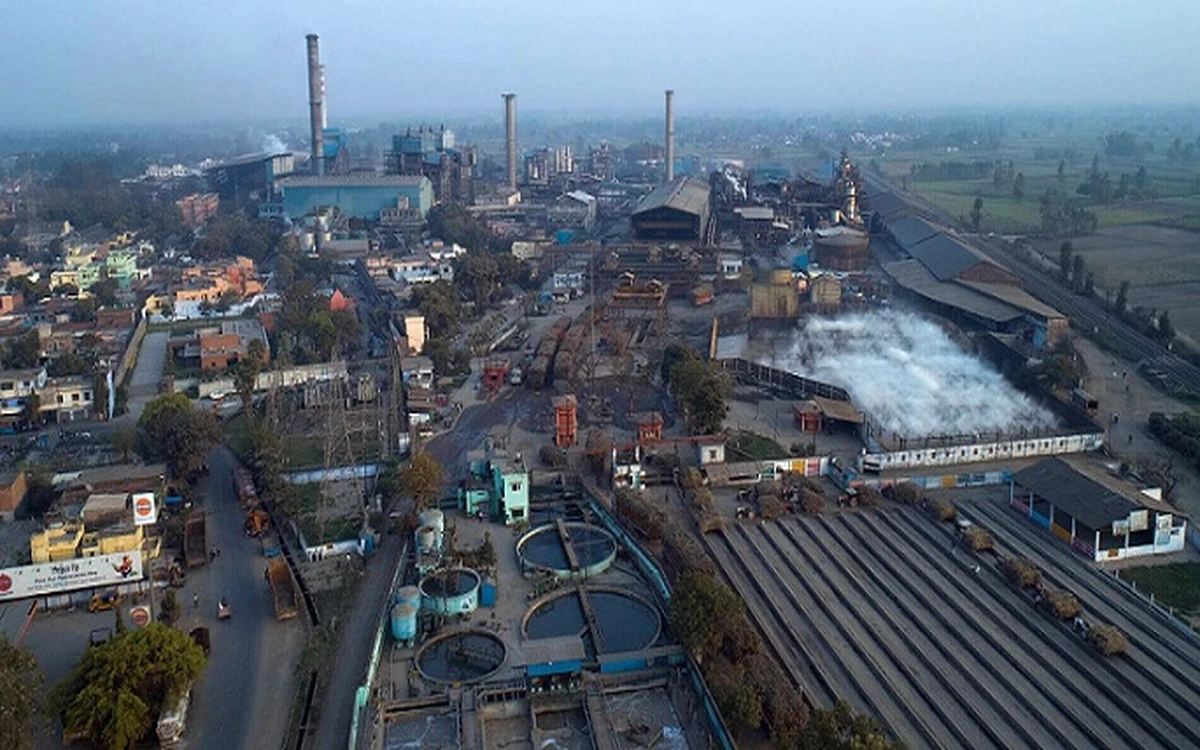
Established in 1933 by Lala Ram Narain with an initial cane crushing capacity of 300 Tonnes per day, Dhampur Sugar Mills Ltd has evolved into one of India’s leading integrated sugar companies. Over time, it has expanded beyond sugar into ethanol, chemicals, co-generated power and potable spirits, building a strong foothold in the organised sugar sector.
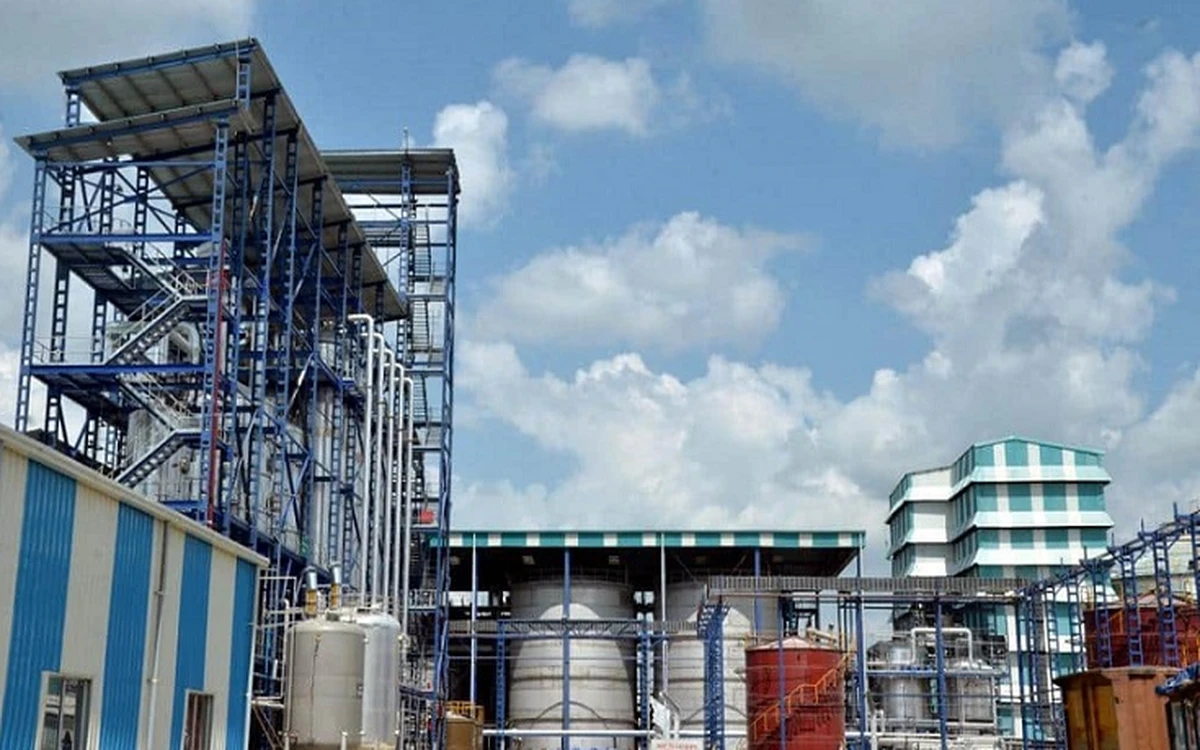
As of March 31, 2026, Dhampur Sugar Mills Ltd possessed an aggregate cane crushing capacity of 24,000 Tonnes per day. Its distillery capacity stood at 350 KLPD, including a 100 KLPD grainbased on dual-feed capacity. The Company’s power generation capacity was 108.50 MW as at the end of the year under review.
The Company manufactures sugar and utilises by-products (bagasse and molasses) in its distillery and co-generation businesses. This diversified range has helped expand the Company’s portfolio.
The reality of the sugar business
The sugar business is different from most industrial sectors.
It sits at the intersection of agriculture, industry and public policy. A company may build manufacturing capacity with speed and scale, but the real strength of its operations lies in the fields.
Cane is not an input that can be secured overnight. It is a multi-season crop. Decisions taken today in varietal selection, agronomy and farmer engagement often begin to translate into production outcomes only after two or three years. This reality became evident again during the last couple of years.
Parts of western Uttar Pradesh experienced the impact of red rot disease, affecting productivity across several command areas. For an industry accustomed to stable supply, this development served as an important reminder that the agricultural ecosystem remains vulnerable to biological and climatic cycles.
For Dhampur, this reinforced a belief that has guided us for years: that the long-term sustainability of our business begins in the fields.
“At Dhampur, we have always been a cane-driven company. At the apex of our stakeholder engagements lies our farmer relationships. We do not merely buy from farmers; we advise them on the right cane variety; we provide subsidised crop nutrients; we assist through scientific agronomic advice; we buy whatever cane our farmers are able to provide without any limit; we pay within the stipulated 14 days. In doing so, we have emerged as a preferred company that farmers would like to sell their cane to. This makes the farmer the nucleus around which our corporate growth revolves” Mr. Gaurav Goel, Vice Chairman and Managing Director of Dhampur Sugar Mills stated in the annual report for FY 25-26.
Performance:
The Company’s financial and operational discipline contributed to a turnaround in performance during the last financial year, marking a shift from the trends of the previous few years. For the financial year 2025-26, the Company reported consolidated revenues of Rs. 2,807.57 Crores compared to Rs. 2,656.38 Crores in FY 2024-25. EBITDA stood at Rs. 196.69 Crores, with margins at 7.01%. Profit After Tax for FY 2025-26 was Rs. 65.33 Crores compared to Rs. 52.42 Crores in the previous financial year.
Moving towards market-driven growth
Even as we strengthen this agricultural foundation, we are reviewing the longterm structure of our business. The sugar industry operates within a regulatory framework. Variables such as cane pricing, ethanol allocation & pricing and export policies are influenced by public policy decisions.
These frameworks provide stability to the sector, but also introduce variables that remain beyond the direct control of individual companies. The result is that often our business strengthening initiatives do not translate into growth, influenced as they are by government controls.
The time has come for Dhampur to take a long-term view of where its business should be headed. Our objective is that over time, we would want a larger share of Dhampur’s revenues and profit to be driven by market dynamics rather than regulatory frameworks; we would want our Company’s business model to be influenced by the national prosperity cycle rather than agricultural cyclicality; we seek to build a business where the majority of our revenues are economy-linked and only a moderate portion dependent on regulated sugar operations.
New growth engine: Bio-based opportunities
Mr. Goel further stated that, In a reinventing Dhampur, we are exploring the development of value added chemicals derived from our bioproduct streams. Over the years, Dhampur has built capabilities in ethanol and bio-based operations. These streams provide access to raw materials that can potentially be used in higher-value downstream applications. Value-added chemicals represent one such opportunity. These products possess the potential to create higher-value industrial applications, with a significantly lower dependence on agricultural cycles compared to traditional sugar operations. The Company already has access to existing raw material streams to explore these opportunities, so the net effect would be that of attractive value-addition.
Outlook by VCMD
As we look ahead, our priorities remain clear. In the near term, we will continue to strengthen the agricultural foundation of our core business. Farmer engagement will remain central to our approach, while varietal diversification and agronomic support will improve the stability and predictability of cane supply across our command areas.
Concurrently, we are laying the groundwork for new growth avenues – value-added chemicals and bio-product streams and financial sector - that complement our traditional businesses. Together, these initiatives are expected to gradually create a more balanced and resilient business structure.
The next phase of our journey will see Dhampur grow into a diversified multi-business enterprise. This transition will be guided by disciplined capital allocation and prudent risk management, both of which Dhampur has demonstrated across the last decade. The green shoots of this transformation will begin to emerge by March 2027.

6 days ago
Total Views : 12
6 days ago
Total Views : 21
6 days ago
Total Views : 18
.webp)
6 days ago
Total Views : 10
.webp)
 Join WhatsApp Group
 Join Telegram Channel
 Join YouTube Channel