Loading... Today

-- 0

-- 0
Join Groups & Channels, No Spamming





The Print Times
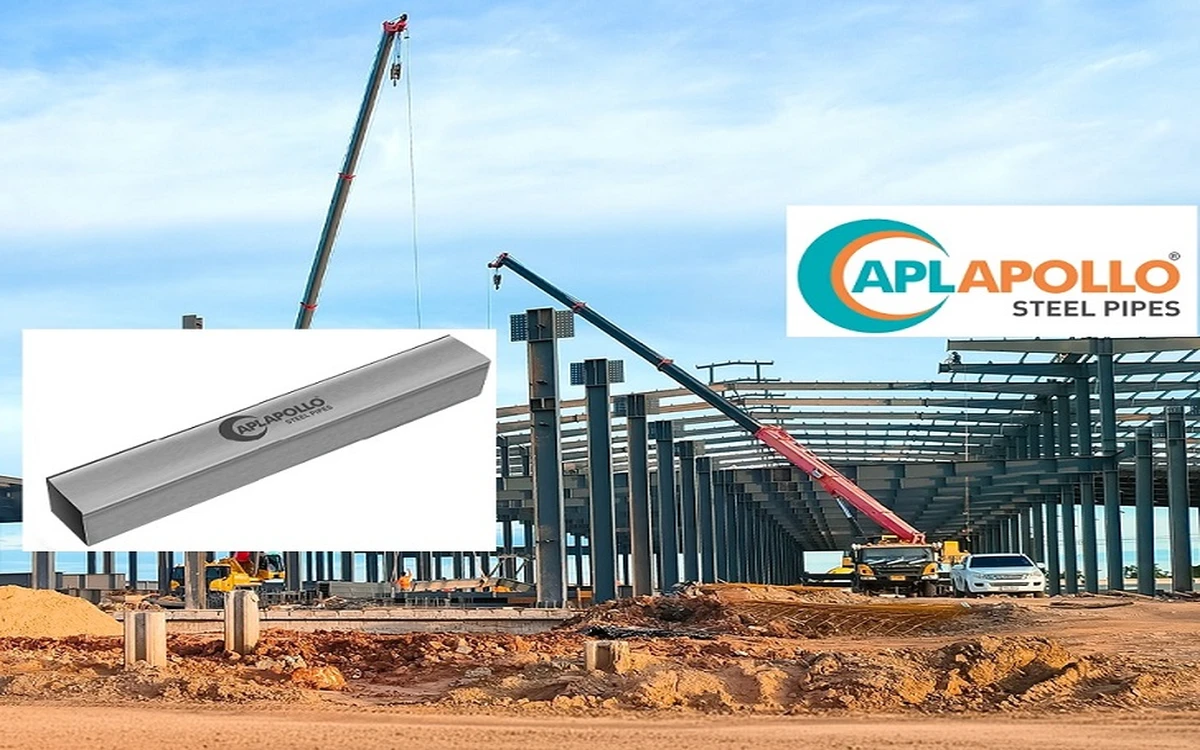
APL Apollo Tubes Limited reported a mixed performance in the first quarter of FY27, with volumes falling short of expectations while profitability exceeded guidance, supported by stronger pricing and improved product margins.
APL Apollo, India's largest producer of Structural Steel Tubes in India, holds way with a network of thriving plants, a legion of distributors, and a multitude of trademarks.
Speaking during the company's Q1 FY27 earnings conference call, Mr. Sanjay Gupta, Chairman and Managing Director, APL Apollo Tubes Limited, said the company reported quarterly sales volume of 745,000 tonnes, which was lower than expected due to a combination of geopolitical disruptions, weak construction demand and sector-specific challenges. However, the company prioritized profitability during the uncertain operating environment, resulting in better-than-expected earnings.
Explaining the lower volumes, Mr. Gupta identified four key factors that affected the quarter. The first was the disruption in UAE operations due to geopolitical developments, which reduced volumes by nearly 25,000 tonnes compared to the previous quarter.
The second factor was a decline in volumes of the company's SG Premium brand, which faced increased competition from secondary steel due to a widening price gap between primary and secondary materials.
The third factor was the energy crisis in India, which affected demand for products such as rust-proof pipes and roofing solutions, resulting in another 25,000-30,000 tonnes of lost volumes.
The fourth reason was high factory inflation, which weakened construction demand across the country. Rising prices across construction materials, including cement, tiles, plywood, plumbing pipes, cables, wires, electrical fittings and bath fittings, prompted EPC contractors and real estate developers to postpone purchases. At the same time, distributors adopted a destocking strategy amid concerns over potential commodity price corrections, impacting both primary and secondary sales.
Despite these headwinds, APL Apollo maintained a monthly sales run rate of around 250,000 tonnes during the quarter while focusing on protecting margins rather than chasing volumes.
Mr. Gupta said the company successfully increased gross profit per tonne by approximately Rs. 1,000 quarter-on-quarter by leveraging its strong brand positioning and pricing power. Whenever steel prices increased by around Rs. 1,000 per tonne, the company implemented additional price increases of Rs. 100-200 per tonne over and above the steel price hike, helping preserve profitability.
As a result, EBITDA per tonne remained above Rs. 5,500, despite a nearly 20% quarter-on-quarter decline in volumes, demonstrating the resilience of the company's pricing strategy.
The management noted that market conditions have started improving, with July volumes increasing around 20% month-on-month after selective pricing adjustments across certain product categories. For the remainder of FY27, the company expects EBITDA spreads to remain in the range of Rs. 5,000-5,500 per tonne and expressed confidence of achieving 20% growth in absolute EBITDA for the full financial year.
APL Apollo also outlined an aggressive expansion roadmap aimed at increasing production capacity and strengthening its value-added product portfolio.
The company plans to commission a 200,000-tonne plant at Gorakhpur, a 300,000-tonne facility at Siliguri, a 1-million-tonne plant at New Malur, and is evaluating another 500,000-tonne plant in either Maharashtra or North Karnataka. Together, these projects will add approximately 2 million tonnes of fresh capacity over the next two and a half years, in addition to 1 million tonnes of capacity being created through debottlenecking across existing plants.
With these expansions, the company's total installed capacity is expected to reach 8 million tonnes, while the contribution of value-added products is projected to increase from the current 65% to 75-80%. According to the management, this strategy will further de-commoditize the product portfolio and reduce the impact of steel price volatility and the pricing gap between primary and secondary steel.
Responding to investor queries, Mr. Gupta said the company's Dubai operations have started recovering after severe disruptions caused by geopolitical tensions. During the peak of the crisis, monthly production had dropped to just 5,000-6,000 tonnes because both incoming and outgoing shipments were disrupted.
From July onwards, shipments that had remained in transit started reaching the plant. Although the company incurred higher demurrage costs and some pricing pressure, it now has approximately 70,000 tonnes of inventory available, providing adequate raw material support for the coming months.
The Dubai plant produced 10,000-12,000 tonnes in July, with management targeting 16,000-17,000 tonnes during August and expecting production to recover to 24,000-25,000 tonnes per month by September, matching pre-disruption levels. Mr. Gupta added that local demand in the UAE remains strong, and the company expects both demand and margins to improve further as supply conditions normalize.
The company also confirmed that its Gorakhpur plant is expected to commence operations during September, enabling full production ramp-up in the third quarter. A new roofing products line is also being commissioned, which is expected to contribute around 20,000 tonnes of additional annualized volume.
Supported by these capacity additions and more aggressive marketing initiatives launched from July onwards, APL Apollo expects to comfortably achieve over 15% volume growth during FY27. While management remains optimistic about crossing 20% volume growth, it acknowledged that additional market tailwinds would be required to achieve that milestone.
Mr. Gupta further stated that the company is making every effort to cross one million tonnes of sales during Q2 FY27. After exceeding 300,000 tonnes in July, the company is targeting 330,000-335,000 tonnes in August and 350,000-360,000 tonnes in September.
Concluding his remarks, Mr. Gupta said that although market conditions continue to change rapidly, he remains confident that APL Apollo will achieve its full-year guidance through a combination of improving demand, capacity expansion, stronger marketing efforts and continued focus on profitable growth.

6 days ago
Total Views : 8
last week
Total Views : 60
last week
Total Views : 51

2 weeks ago
Total Views : 64

2 weeks ago
Total Views : 131
2 weeks ago
Total Views : 129
.webp)
 Join WhatsApp Group
 Join Telegram Channel
 Join YouTube Channel