Loading... Today

-- 0

-- 0
Join Groups & Channels, No Spamming





IndiGo reported a challenging Q1 FY27 amid elevated fuel costs, geopolitical disruptions and currency depreciation, even as passenger demand and pricing remained resilient. Total income rose 19% year-on-year to Rs. 256 billion, while the airline carried 31.3 million passengers. Yield increased 21.3% and passenger unit revenue rose 19% to Rs. 5.03. However, EBITDAR declined to Rs. 38.3 billion from Rs. 57.4 billion, while the airline reported a net loss of Rs. 2.4 billion compared with a profit of Rs. 21.8 billion a year earlier. IndiGo ended the quarter with a fleet of 432 aircraft and continued to expand its network, including becoming the first airline to operate from Jewar Airport in Noida.
The Print Times
IndiGo reported a mixed performance for the first quarter of fiscal 2027, with strong revenue growth and resilient passenger demand offset by elevated fuel costs, currency depreciation, inflationary pressures and geopolitical disruptions.
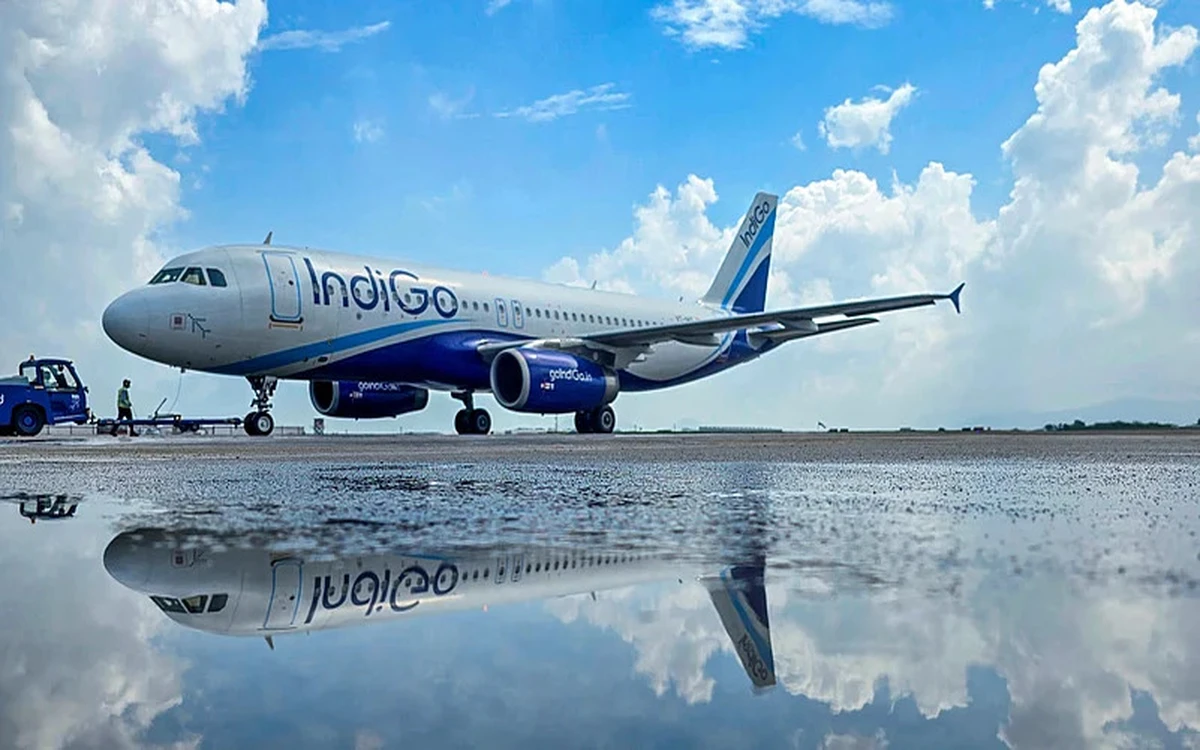
IndiGo is India’s largest and most preferred passenger airline and amongst the fastest-growing airlines in the world, operates well over 2,200 daily flights, connecting 130+ destinations (of which 40+ are international), welcoming 118 million+ customers on board last year.
Speaking during the Q1 FY27 financial results conference call, Rahul Bhatia, Managing Director, IndiGo, said the airline industry continues to operate in an environment that is promising but demanding. He said fuel costs remain elevated and market conditions remain volatile, making disciplined execution critical to protecting near-term performance while remaining responsive to changing market conditions.
IndiGo reported total income of Rs. 256 billion for Q1 FY27, representing growth of around 19% year-on-year. Passenger traffic stood at 31.3 million, up approximately 1% from the same quarter last year.
Yield increased 21.3% year-on-year, while the load factor declined 1.3 percentage points. Passenger unit revenue stood at Rs. 5.03, up 19% year-on-year, while yield reached Rs. 6.04, approximately 21% higher than the previous year. Load factor stood at around 83%.
Despite the improvement in revenue, profitability was affected by the sharp rise in operating costs. EBITDAR stood at Rs. 38.3 billion, with a margin of 15.6%, compared with Rs. 57.4 billion and a 28% margin in Q1 FY26.
IndiGo reported a net loss of Rs. 2.4 billion, compared with a net profit of Rs. 21.8 billion in the corresponding quarter last year. Excluding the impact of currency movements, the airline reported a net loss of approximately Rs. 56 million, compared with a net profit of around Rs. 23 billion a year earlier.
Geopolitical disruptions affect capacity deployment
The quarter was influenced by three key factors: measured capacity deployment due to geopolitical developments in the Middle East, pricing actions to offset higher costs, and an elevated cost environment driven by fuel, currency and inflation.
IndiGo said capacity deployment was affected by airspace restrictions and disruptions across certain international corridors. The airline adjusted capacity based on customer demand, shifting capacity towards markets where demand remained stronger while taking measured action on routes affected by disruptions.
Capacity growth during the June quarter stood at 3% year-on-year, broadly in line with the company's guidance.
Demand conditions varied during the quarter. April was affected by disruptions, weaker customer sentiment in some markets and network recalibration. May, however, emerged as a particularly strong month for Indian aviation.
IndiGo carried more than 10 million domestic passengers in May, its highest-ever monthly domestic passenger count. The company said the milestone reflected the strength of its network and continued customer demand.
June also remained constructive from a revenue perspective, with yields remaining firm despite selective management of parts of the international network. International capacity largely recovered during the month, supporting an improvement in revenue.
Fuel costs remain the biggest pressure
Fuel continued to be the largest source of cost pressure during the quarter. IndiGo said global fuel markets were significantly affected by developments in the Middle East.
Average Brent prices increased approximately 50% year-on-year, while higher crack spreads pushed benchmark Singapore jet fuel prices up by nearly 120%.
The airline noted that government intervention, followed by measures from oil marketing companies, helped moderate domestic ATF prices during April, May and the first eight days of June. This support allowed IndiGo to largely operate according to its planned schedule and pass on some of the benefit to domestic passengers through a lower fuel charge.
Despite this, fuel CASK increased approximately 80% year-on-year.
CASK excluding fuel and forex stood at Rs. 3.20, up around 11% year-on-year. The increase was attributed to the depreciation of the Indian rupee by more than 11%, lower aircraft utilization during parts of the quarter resulting in a lower ASK base, and annual contractual escalations.
To mitigate cost pressures, IndiGo said it is prioritizing the operation of more fuel-efficient aircraft and avoiding older CEO aircraft wherever commercially appropriate. The airline has also tightened discretionary spending and deferred increments for senior-level employees.
Fleet reaches 432 aircraft
During Q1 FY27, IndiGo inducted 13 aircraft from its original order book, all through its entity in GIFT City.
During the quarter, the airline also redelivered nine aircraft from its original order book and 13 damp-leased aircraft. The closing fleet stood at 432 aircraft at the end of the quarter.
Looking ahead, IndiGo said its domestic and short-haul business will remain the core of the airline, with the Airbus A320 and A321 family of single-aisle aircraft forming the foundation of its future fleet.
At the same time, the airline plans to expand its international footprint and evolve its product offering in a disciplined and targeted manner.
IndiGo signs MoU for more than 1,000 LEAP-1A engines
As part of its long-term growth strategy, IndiGo has signed a Memorandum of Understanding with CFM International for more than 1,000 LEAP-1A engines to support future aircraft deliveries.
The agreement also supports the development of IndiGo's engine MRO and long-term material services capabilities.
Bhatia said the initiative represents a step towards strengthening the airline's long-term capabilities, investing ahead of growth and building the platform required as IndiGo develops into a larger and more global airline.
Network expansion continues
During Q1 FY27, IndiGo commenced flights to Jamnagar, strengthening domestic connectivity while continuing to selectively expand its international network.
The airline also became the first carrier to commence operations from Jewar Airport in Noida, strengthening its presence in the National Capital Region airport system.
IndiGo said India's aviation market continues to offer significant long-term growth potential, supported by rising incomes, increasing mobility, a young population, growing aspirations and continued investment in aviation infrastructure.
Despite the near-term volatility caused by fuel prices and geopolitical developments, the airline remains focused on disciplined capacity deployment, cost efficiency, network expansion and investments designed to support its long-term growth.
.webp)
 Join WhatsApp Group
 Join Telegram Channel
 Join YouTube Channel