Loading... Today

-- 0

-- 0
Join Groups & Channels, No Spamming





Coromandel International commissioned its sulphuric acid and phosphoric acid plants while progressing its granulation project for Q4 FY27 commissioning, strengthening its fertiliser manufacturing capabilities amid global raw material shortages.
The company delivered resilient Q1 FY27 performance despite elevated input costs and subdued subsidy rates, while expanding market share, advancing crop protection capacity, and accelerating investments across specialty nutrients, retail and bio-products.
The Print Times:
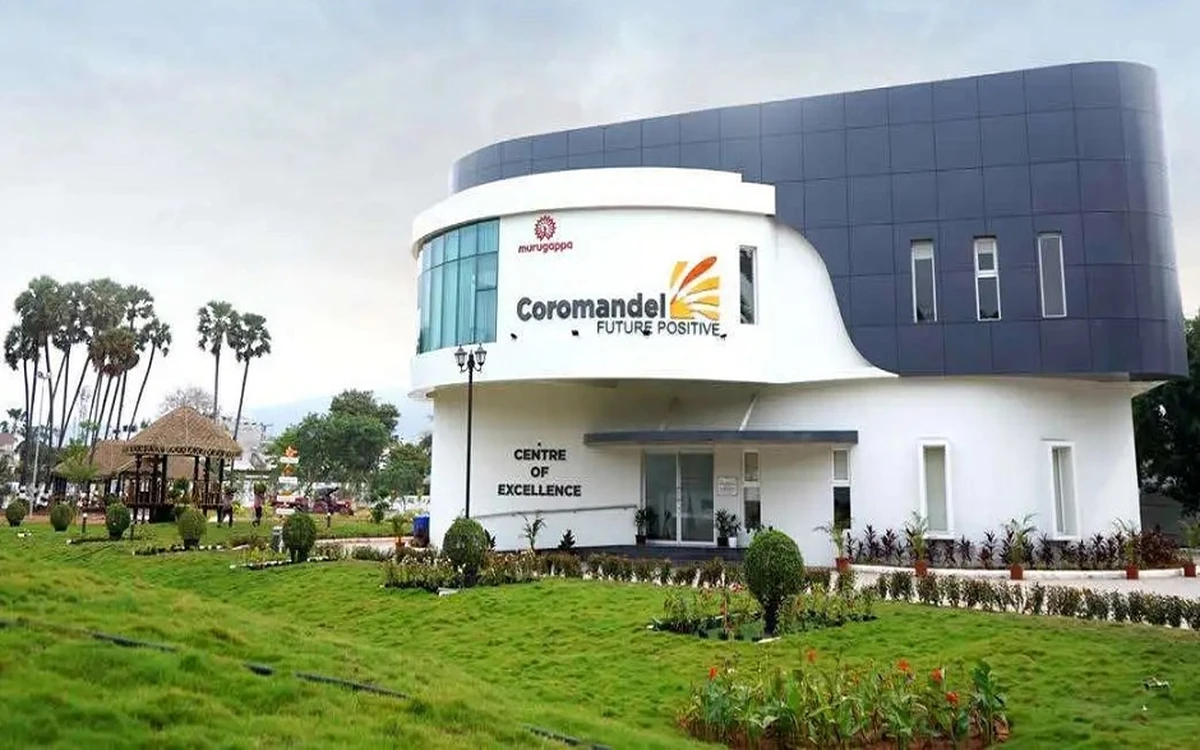
Coromandel International Limited has strengthened its manufacturing platform with the commissioning of key fertiliser projects while reporting resilient operational performance during Q1 FY27 despite challenging market conditions driven by geopolitical tensions and elevated raw material prices.
Coromandel International is India’s pioneers and leading agri-solutions provider, offering diverse products and services across the farming value chain. Starting its operations from India’s first fertiliser plant at Ranipet, Tamil Nadu in 1906, Coromandel have been evolving for over a century by offering customized farm solutions and advisory services.
Speaking during the Q1 FY27 Earnings Conference Call, Mr. Sankarasubramanian S, Managing Director and Chief Executive Officer, Coromandel International Limited, said the quarter was marked by a difficult operating environment for the phosphatic fertiliser sector as global prices of phosphoric acid, ammonia and sulphur remained elevated due to supply disruptions and geopolitical uncertainties.
He noted that India experienced deficient rainfall during the early monsoon period, resulting in cautious farmer sentiment and moderation in fertiliser offtake. However, monsoon activity improved during July, leading to better sowing momentum and expectations of narrowing acreage gaps in the coming weeks.
On the policy front, Mr. Sankarasubramanian said the Government approved a national investment policy for urea, which could facilitate an additional 9-10 million tonnes of domestic urea capacity over the next eight years across seven proposed projects. The Government also announced a Rs. 37,500 crore coal and lignite gasification scheme to support domestic syngas-based feedstocks and reduce dependence on imported ammonia over the medium term.
He added that the Government has initiated a pilot National Fertilizer Sales Framework using QR-code enabled traceability, which could significantly improve transparency and nutrient stewardship if implemented at scale.
During the quarter, Coromandel deliberately moderated fertiliser production to 6.9 lakh tonnes, compared with 8.4 lakh tonnes in the corresponding period, representing around 72% capacity utilisation, as the company prioritised inventory optimisation amid volatile raw material markets.
Phosphoric acid production remained at 1.2 lakh tonnes, broadly in line with last year, as the company optimised sulphur consumption due to elevated sulphur prices. The company also moderated operations at its sulphuric acid plants to extend sulphur availability while exploring alternative domestic and international sourcing options.
Mr. Sankarasubramanian said fertiliser margins remained under pressure due to the sharp increase in ammonia and sulphur prices, which were not adequately reflected in the Nutrient Based Subsidy (NBS) rates announced by the Government. He expressed optimism that revised subsidy rates for the Kharif season would improve the viability of NP and NPK fertilisers.
He noted that phosphoric acid prices for the second quarter were settled at US$1,700 per tonne, compared with US$1,360 per tonne in Q1, reflecting higher international prices for DAP and key raw materials.
On the project front, the company has successfully commissioned its sulphuric acid and phosphoric acid plants, with the sulphuric acid plant achieving rated capacity while also generating power as planned. The phosphoric acid plant is currently undergoing operational stabilisation and technology optimisation to improve rock utilisation.
According to Mr. Sankarasubramanian, commissioning these facilities has come at an opportune time, enabling Coromandel to continue supplying phosphate fertilisers despite industry-wide shortages of critical raw materials.
He added that the company's granulation project is progressing as planned and remains on track for commissioning during Q4 FY27.
Despite moderating fertiliser sales volumes by 9% to 10 lakh tonnes, Coromandel strengthened its primary market share to 22%, compared with 18% a year earlier. Point-of-sale volumes increased 13% to 7.9 lakh tonnes, improving market share to 16%.
The company's Single Super Phosphate (SSP) business continued to perform strongly, recording 19% volume growth. More than half of SSP sales came from differentiated products such as GroPlus and Urea-SSP, highlighting the company's premiumisation strategy.
At its Senegal operations, the rock phosphate mining project produced over 1.1 lakh tonnes during the quarter. Building on this backward integration, Coromandel is evaluating the establishment of an SSP manufacturing facility in Senegal to serve international markets.
The Specialty Nutrients and Organic Business also delivered strong performance, supported by higher demand for organic and micronutrient products. The company introduced three new products across water-soluble fertilisers and sulphur nutrition while continuing work on its T-MAP plant at Kakinada and seaweed granulation project to support future growth.
Coromandel's Crop Protection Business reported a record first-quarter performance, with revenue increasing 20% year-on-year to Rs. 870 crore and EBIT rising 44% to Rs. 159 crore, driven by strong exports, B2B sales and an improved product mix.
Capacity expansion for key crop protection molecules remains on schedule for commissioning by September 2026, while the company is advancing its fluoro chemistry capabilities and strengthening its CDMO business through collaborations with global innovators.
The company also reported improved performance at NACL Industries, where EBITDA increased 9% to Rs. 41 crore, with margins improving to 11% from 8% a year earlier.
Coromandel's Retail Business delivered one of the strongest performances during the quarter, with revenue surging 85% year-on-year, supported by higher fertiliser, specialty nutrient and organic product sales. The company expanded its retail network by 22 stores, taking the total network to more than 1,200 outlets, while 76% of stores became profitable, compared with 61% in the corresponding quarter last year.
The Nano Fertiliser Business maintained stable growth with 2% year-on-year volume growth and retained nearly 60% market share in Nano DAP. The company also initiated exports during the quarter and sees encouraging international opportunities following product registrations in several overseas markets.
Mr. Sankarasubramanian added that Coromandel continues to expand its precision agriculture initiatives through drone spraying services and is evaluating the deployment of higher-capacity drones capable of fertiliser application to further strengthen its farm mechanisation offerings.
.webp)
 Join WhatsApp Group
 Join Telegram Channel
 Join YouTube Channel